Hark raises $700M for universal AI interface

A new AI lab, Hark, founded by Figure AI CEO Brett Adcock, secured $700 million in Series A funding.

DK
David Katzman

May 21, 2026 · 4 min read

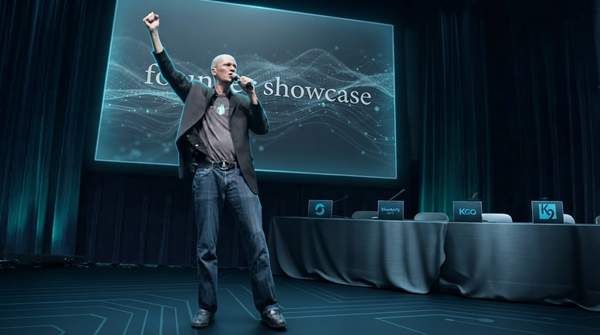
Abstract visualization of a universal AI interface, symbolizing connection and innovation in artificial intelligence, with a futuristic and cinematic aesthetic.

A new AI lab, Hark, founded by Figure AI CEO Brett Adcock, secured $700 million in Series A funding. This investment valued the company at an astonishing $6 billion before revealing a single public product, according to Business Insider. Such a substantial capital injection into a pre-product venture highlights intense market enthusiasm for AI innovation and its potential impact on daily life.

This $6 billion valuation for a startup without a public product introduces significant tension. Hark's ambitious goal of a universal AI interface suggests a long and uncertain path to market. This raises critical questions about the basis of such significant early investment and its long-term viability.

The current AI investment climate appears increasingly speculative. It prioritizes founder vision and future potential over proven traction, according to Bloomberg. This approach could lead to groundbreaking innovation if Hark succeeds, or it might result in significant market corrections if its grand vision fails to materialize.

What Hark Aims to Build

  • Hark aims to build personalized AI systems and hardware. These are designed to interact more naturally with people and the physical world, according to Business Insider. This vision extends beyond current software interfaces, seeking a more integrated human-AI experience.

The Scale of the Bet: A $6 Billion Valuation

Hark secured $700 million in a Series A funding round, according to TechCrunch. This substantial capital injection positions the company uniquely among early-stage AI ventures. The startup achieved a $6 billion valuation in this funding round, according to citybiz. An eager market is betting heavily on foundational AI plays.

Such a valuation for a pre-product company places immense pressure on Hark's development teams. It suggests investors are prioritizing future potential and a long-term vision over immediate market readiness or demonstrable innovation. The sheer scale of this investment sets a significant precedent for AI startups. A growing focus on ambitious, transformative goals within the industry is indicated.

A market driven by a fear of missing out on the next big AI breakthrough is underscored by this early financial commitment to a speculative venture. A shift in investment focus is signaled. Capital now flows towards companies with a grand narrative, even if tangible products are years away.

Adcock's Track Record and Market Dynamics

Brett Adcock's previous success with Figure AI significantly influenced investor confidence in Hark. This background allowed Hark to bypass typical early-stage product validation requirements. The market has assigned a definitive $6 billion value to Hark, according to Bloomberg.com, largely based on this established reputation.

A trend where a charismatic founder's reputation becomes a primary investment driver is highlighted by this valuation. It suggests that in high-stakes AI investing, the founder himself can be seen as the "product." This approach streamlines fundraising, but it places immense pressure on the founder's vision to materialize into functional, market-ready technology.

The competitive AI industry sees investors seeking out companies promising foundational technologies. Adcock's ability to attract such substantial early investment validates the high valuation. An industry eager to back potentially transformative, albeit unproven, AI technologies is reflected by this dynamic.

Implications for the AI Landscape

Hark's $6 billion valuation, following its $700 million funding round, according to PYMNTS.com, will enable aggressive research and development. This significant capital infusion could accelerate the race for a universal AI interface. Other AI startups with less capital might face increased competitive pressure to secure funding or demonstrate quicker returns.

The market's willingness to fund a pre-product company at this scale sets a precedent for future investment rounds. It suggests that vision and founder pedigree are heavily weighted criteria for attracting capital. This could encourage other ventures to prioritize ambitious, long-term goals over incremental product releases, potentially reshaping industry development strategies.

This substantial investment also fuels speculation about the longevity and sustainability of current AI valuations. While it empowers Hark to pursue its grand vision, it also raises questions about the long-term returns for investors betting on such early-stage, high-risk ventures.

Frequently Asked Questions

Why did Hark receive a $6 billion valuation without a public product?

Strong investor confidence in founder Brett Adcock's track record with Figure AI is reflected by the valuation. Belief in Hark's ambitious vision for a universal AI interface is also signaled, according to AI Insider. This valuation is a bet on future potential rather than current demonstrable innovation.

What challenges might Hark face in developing its universal AI interface?

Developing personalized AI systems with integrated hardware implies significant research and development costs over a prolonged period. This long development cycle means investors may face a substantial wait for market-ready products and revenue, as suggested by the ambitious scope described by Business Insider.

By late 2026, Hark will likely continue its secretive development, fueled by its $700 million Series A funding. The coming years will test whether its $6 billion valuation was a visionary bet on the future of AI or a speculative excess in a heated market.