
Edge Ai
4 articles

Why Edge AI Chips Are Built Around Heterogeneous SoCs and Specialized NPUs
Edge AI chips predominantly use heterogeneous System-on-Chip (SoC) architectures, combining general-purpose CPUs with specialized accelerators like Neural Processing Units (NPUs). This design is crucial for meeting strict power budgets by assigning AI inference and other tasks to the most efficient silicon available, with NPUs offering superior energy efficiency for AI workloads.
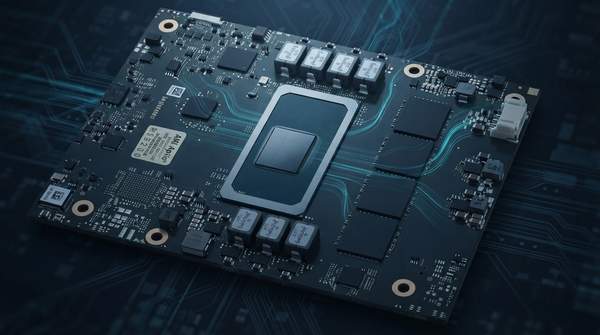
Specialized Edge AI Processors for Low-Latency Industrial Automation
Specialized Edge AI processors are transforming industrial automation by enabling critical low-latency, on-device inference. Understanding the architectural advantages of NPUs, FPGAs, and MCUs with accelerators is key for selecting the optimal processor for industrial neural network workloads.

AI Edge Chips in 2026: Performance Outlook and Challenges
By 2026, a single edge AI chip will process more data locally than a small data center did a decade ago, handling complex inference tasks at unprecedented speed.

Why Edge AI Matters on the Factory Floor: Real-Time Decisions Without the Cloud Round-Trip
Edge AI is crucial for industrial automation, enabling real-time decisions and actions directly on factory floor devices by processing data locally. This approach overcomes cloud AI's latency and connectivity limitations, improving efficiency and reliability, though integration with legacy systems presents a key challenge.